Est. 2024 · Pan-African

Developing the Next
Generation of African
Researchers.

Africa accounts for 17% of the world's population and carries 25% of its disease burden, yet contributes just 1% of global research output. ARPL was built to close that gap, starting at the secondary school level.

Where the numbers sit

17%
of the world's population

Africa is home to over 1.4 billion people, with one of the youngest and fastest-growing populations on earth.

25%
of the global disease burden

African communities carry a disproportionate share of the world's health challenges, many of which remain understudied.

1%
of global research output

Africa produces less than one percent of peer-reviewed research published globally, despite the scale of what it faces.

"Africa's problems deserve African researchers working on them."

ARPL was started on a specific observation: the pipeline that would produce African researchers at scale does not exist at the secondary school level. Graduate programs are too late, and most academic research training assumes students who are already at university. ARPL works backwards from that gap, taking students through the same process a graduate researcher would follow and guiding them to peer-reviewed publication before they ever leave school.

The result is a published paper with the scholar's name on it. That is the only outcome we measure against.

African Leadership Academy · Roodepoort, South Africa

The cohort

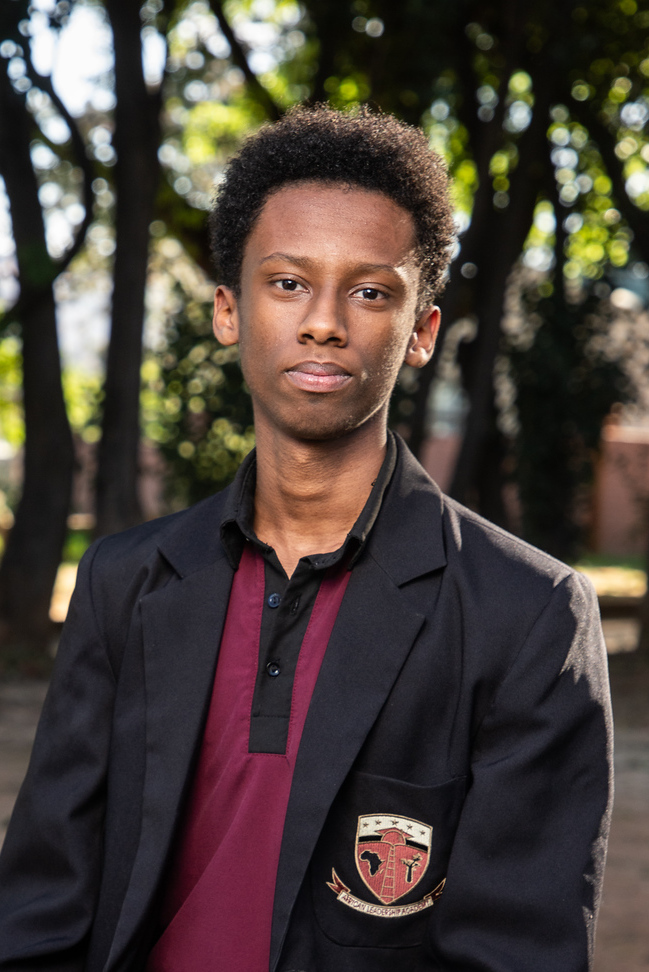
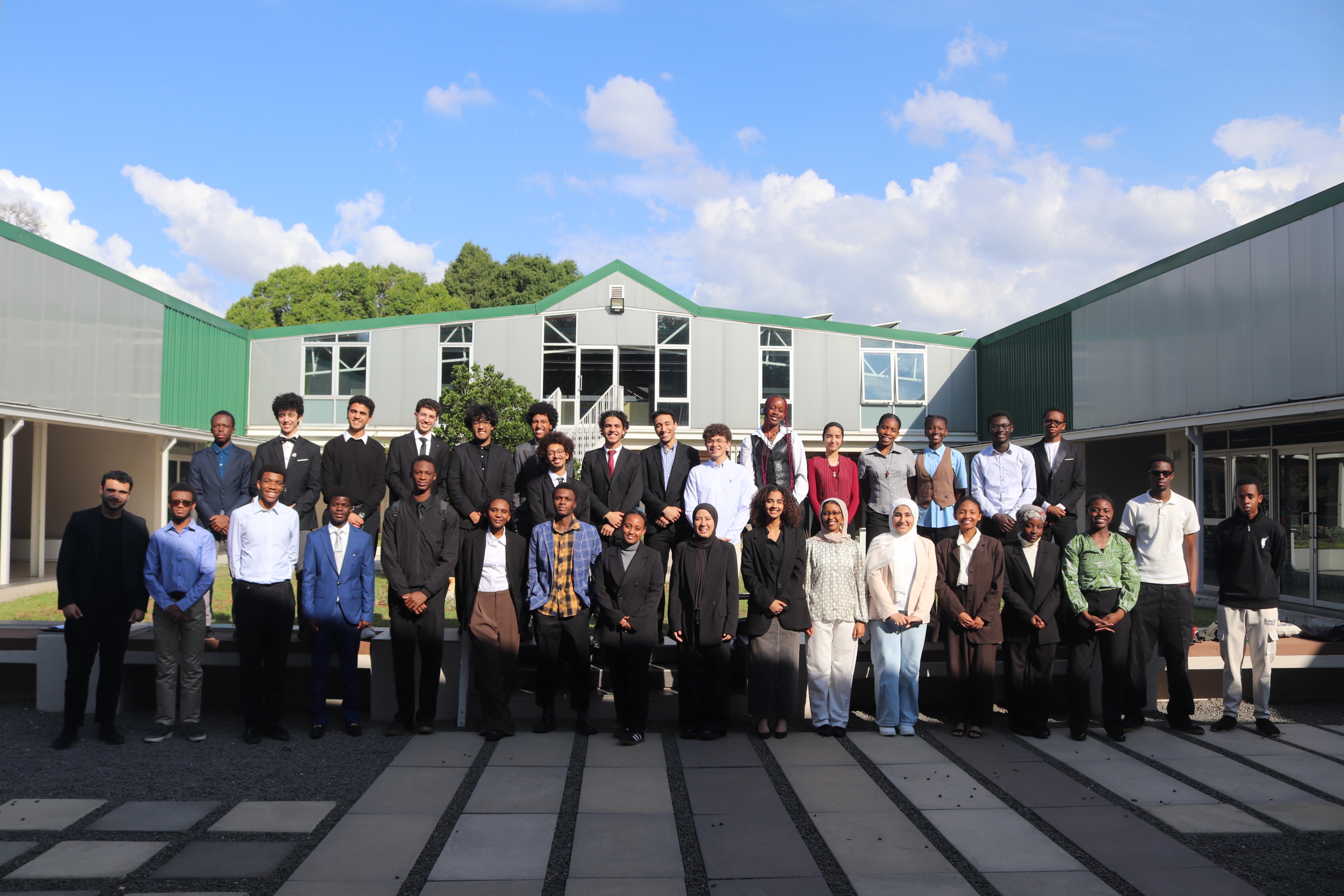
ARPL Cohort 2 scholars and leadership team

ARPL scholars and leadership team, African Leadership Academy, 2025

Where things stand

51K

Words of curriculum

The curriculum is organized across 37 modules spanning three core categories: Research Modules (foundational theory and methodology), Type-Specific Modules (systematic reviews and specialized approaches), and Professional Modules (career development and communication skills). It was designed to be accessible to scholars with no prior research experience and is currently available in English, Arabic & Amharic. We are currently expanding to Kiswahili and Yoruba.

$1,800

USD raised

Raised within weeks of launch, before a single paper had been published. The funding came from people who saw what ARPL was trying to do and decided it was worth backing early.

22

African countries

The founding team comes from 22 countries across the continent. That geographic spread is deliberate. ARPL was built to serve all of Africa, and the people building it reflect that.

From student to published researcher,
across one academic year

Every ARPL scholar follows the same structured sequence. The program does not compress or skip steps. Each phase builds directly on the one before it, and the work done in each phase is real.

I
Phase One · Nov – Dec

Curriculum Mastery

Scholars spend the first two months working through 37 structured modules organized across three tracks: foundational Research Modules covering theory and methodology, Type-Specific Modules focused on specialized approaches like systematic reviews, and Professional Modules addressing resume-building and academic communication. This comprehensive foundation is completed before scholars produce any original research. The curriculum establishes the theoretical groundwork that rigorous research requires: how knowledge is produced, what distinguishes different research paradigms, where bias enters the process, how to navigate trusted scholarly sources, and how to read and evaluate existing literature. The phase culminates in a comprehensive assessment across all modules, which scholars must pass before advancing.

Welcome to ARPL & research overview Philosophy of research Research paradigms & types Systematic reviews Scientific methodology Epistemology & ontology Research design Quantitative methods Qualitative methods Data analysis Research ethics Academic writing fundamentals Resume & LinkedIn profile Professional communication
II
Phase Two · Dec – Mar

Research Development

This is where scholars do the actual research. Each scholar is assigned a mentor and meets weekly in one-on-one sessions throughout the phase. The work follows the same sequence as a real academic paper: identifying and refining a research question, conducting a literature review, designing and executing a methodology, then writing up results and discussion. By the end of March, each scholar has a complete manuscript that goes to the ARPL board for internal review before entering peer review.

Research question development Scoping & literature review Hypothesis formation Methodology design Data collection & analysis Results interpretation Discussion & conclusions Manuscript drafting Board review Peer review process
III
Phase Three · Mar – Jun

Publication

A completed manuscript is a draft. Phase Three is the process of getting it to the standard that academic journals require. Scholars revise based on reviewer feedback, select appropriate journals, format to submission guidelines, and submit. They also present their work at the ARPL Research Fair, which runs as a conference-style event where scholars defend and discuss their findings in front of an audience. The target by June is full journal submission for every scholar in the cohort.

Manuscript revision Reviewer response Journal selection Submission formatting Journal submission Research Fair presentation Academic communication

Cohort 1 ended with every scholar published.
Cohort 2 has 28.

Cohort 1 · Cohort One

100%

Every scholar who completed Cohort 1 submitted a manuscript for peer-reviewed publication. Most graduate research programs, with far more resources and time, do not reach that rate.

Cohort 1 · Scholars

4 / 4

Four scholars entered. Four manuscripts were submitted. The program worked on the first attempt, at full completion rate, and that is what Cohort 2 was built on.

The ARPL Team

Where our team went

UC Berkeley
Michigan
Yale
Vanderbilt
Tufts
UBC
Durham
Rochester
HKU
Gettysburg
Reed College
Macalester
Aberdeen
Minerva
Constructor University

Who can apply, and what the program asks of you

Scholars are selected through a written application followed by a Finalist Day assessment. The process is competitive, and the program is intentionally small.

Cohort 2 is currently underway at the African Leadership Academy. Applications are open to students at any African high school. If you are currently enrolled at a secondary school anywhere on the continent, you are eligible to apply.

Any African high school student

There is no school-specific requirement. If you are a secondary school student somewhere in Africa and can commit to the program, you can apply.

12 to 15 hours per month

The program runs on bi-weekly seminars and weekly one-on-one mentor sessions. Attendance is mandatory. Scholars who cannot commit to this should not apply.

Open to any field

Research methodology is not discipline-specific. Scholars have worked across the sciences, humanities, and social sciences. The skills transfer regardless of subject area.

Willingness to do the work

Prior research experience is not required. Scholars are selected on academic seriousness and the capacity to follow through on a long-form project, not on credentials.

How to apply

Submit the application form. Shortlisted candidates are invited to Finalist Day, where they meet with the ARPL leadership team for a short assessment interview. Offers are made within two weeks of Finalist Day.

Program durationAcademic year (Nov – Jun)
Commitment12–15 hrs / month
Cohort size~30 scholars
Mentorship1-on-1 weekly sessions
OutcomePeer-reviewed publication
Current eligibilityAny African high school student
Submit an application Read the handbook first